
Can a Lawyer for Bankruptcy Stop Wage Garnishment and Foreclosure in Pennsylvania?
Introduction: Lawyer For Bankruptcy
Financial hardship can happen faster than many people expect. Credit card balances grow, medical bills accumulate, and missed mortgage payments may quickly lead to collection actions. As a result, many Pennsylvania families worry about losing their income or even their homes. Fortunately, working with a Lawyer For Bankruptcy can provide legal options that may help protect your financial future.
If you live in Bucks County, understanding your rights is an important first step. Whether you are searching for a Bankruptcy Attorney in Bucks County, a Bankruptcy Lawyer in Bucks County, or guidance from a Bucks County Bankruptcy Attorney, knowing how bankruptcy laws work can help you make informed decisions. In many situations, bankruptcy may stop wage garnishment, pause foreclosure proceedings, and provide an opportunity to reorganize or eliminate qualifying debt.
This guide explains how bankruptcy works under federal law, what protections may become available after filing, and when it may be appropriate to seek legal advice. While every financial situation is unique, learning about your options today can help you plan for tomorrow with greater confidence.
What does a Lawyer for bankruptcy do?
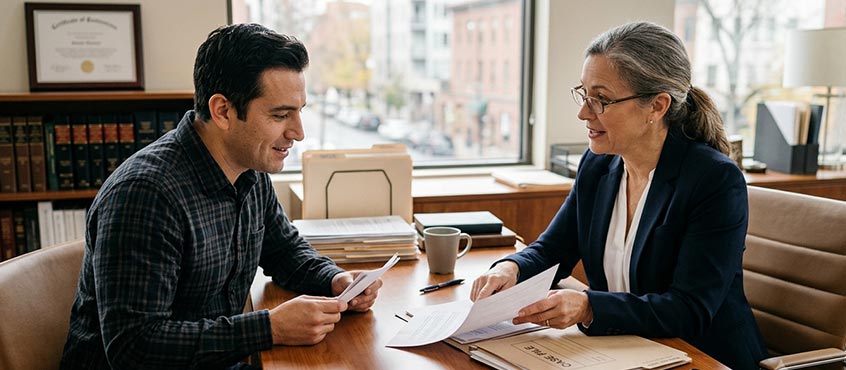
A Lawyer For Bankruptcy evaluates your financial circumstances, explains available bankruptcy options, prepares legal documents, represents you in court proceedings, and helps protect your rights throughout the bankruptcy process.
Bankruptcy involves far more than completing paperwork. It requires careful analysis of your income, assets, debts, and long-term financial goals. An experienced attorney helps determine whether bankruptcy is appropriate and, if so, which chapter of the Bankruptcy Code best fits your circumstances.
A bankruptcy lawyer generally assists clients by:
- Reviewing income, expenses, and outstanding debts
- Explaining Chapter 7 and Chapter 13 bankruptcy options
- Identifying debts that may qualify for discharge
- Preparing and filing the bankruptcy petition
- Representing clients before the United States Bankruptcy Court
- Communicating with creditors when appropriate
- Helping clients understand Pennsylvania bankruptcy exemptions
- Guiding clients through meetings with the bankruptcy trustee
Rather than focusing only on debt elimination, an attorney develops a legal strategy designed to protect important assets whenever the law allows. This may include preserving a family home, protecting certain personal property, or preventing aggressive collection actions.
Additionally, every financial situation differs. Someone facing overwhelming medical debt may require a different approach than a homeowner trying to stop foreclosure. Consequently, individualized legal guidance often becomes an essential part of the process.
A bankruptcy lawyer evaluates your finances, explains your legal options, files bankruptcy documents, protects your rights, and represents you throughout the bankruptcy process. Depending on your circumstances, bankruptcy may pause creditor collection efforts through the automatic stay.
Can bankruptcy stop wage garnishment in Pennsylvania?
In many situations, yes. Filing bankruptcy generally triggers an automatic stay, which immediately stops most collection activities, including many wage garnishments. However, important exceptions apply under federal law.
Wage garnishment can place tremendous pressure on families already struggling with debt. Losing part of each paycheck often makes it even harder to pay rent, utilities, groceries, or mortgage payments.
Fortunately, one of bankruptcy’s most significant legal protections is the automatic stay.
What is the automatic stay?
The automatic stay is a federal court order that takes effect when a bankruptcy petition is filed. It generally requires creditors to pause many collection efforts while the bankruptcy case proceeds.
Depending on the circumstances, the automatic stay may stop:
- Wage garnishments
- Collection lawsuits
- Bank levies
- Creditor phone calls
- Collection letters
- Certain foreclosure proceedings
- Repossession efforts
Because the stay becomes effective upon filing, it often provides immediate relief from ongoing creditor actions.
Does every wage garnishment stop?
Not necessarily.
Although many consumer debt garnishments stop, federal law includes exceptions. Certain obligations may continue despite bankruptcy protections.
Examples can include:
- Some child support obligations
- Certain alimony obligations
- Some criminal fines
- Certain tax-related collections
For this reason, reviewing your individual circumstances with a Debt Relief Lawyer is essential before assuming bankruptcy will stop every garnishment.
Should your employer be concerned?
Many people worry that filing for bankruptcy will negatively affect their employment.
Fortunately, employers primarily receive notice only when payroll deductions must change because of an existing wage garnishment. Federal law generally provides protections against employment discrimination based solely on filing for bankruptcy.
Nevertheless, discussing employment concerns with your attorney helps clarify how bankruptcy may affect your specific situation.
Why timing matters
Waiting too long may allow creditors to continue collecting money that could otherwise remain available for household expenses.
Accordingly, individuals facing active wage garnishment often benefit from seeking legal guidance as early as possible.
Whether someone consults a Wage Garnishment Lawyer in Philadelphia or a Bankruptcy Attorney in Bucks County, obtaining timely advice allows more opportunities to evaluate available legal protections before financial conditions worsen.
Bankruptcy can often stop wage garnishment through the automatic stay. However, not every garnishment qualifies for protection. Child support, certain taxes, and similar obligations may continue despite bankruptcy.
Can bankruptcy prevent foreclosure?
Bankruptcy may temporarily stop foreclosure through the automatic stay. In some cases, Chapter 13 bankruptcy also allows eligible homeowners to repay overdue mortgage payments over time while keeping their homes.
Receiving a foreclosure notice is one of the most stressful experiences a homeowner can face. However, foreclosure does not always mean losing your property immediately.
Federal bankruptcy law provides legal protections that may give homeowners additional time to evaluate available options.
How does bankruptcy affect foreclosure?
Once a bankruptcy petition is filed, the automatic stay generally prevents mortgage lenders from continuing foreclosure actions without court permission.
This temporary pause creates an opportunity to:
- Review available repayment options
- Organize financial records
- Negotiate with lenders when appropriate
- Develop a realistic debt management strategy
- Consider long-term housing goals
Although the automatic stay does not permanently eliminate a mortgage obligation, it can provide valuable breathing room.
Can Chapter 13 help save a home?
In many situations, Chapter 13 bankruptcy offers homeowners an opportunity to catch up on missed mortgage payments through a court-approved repayment plan.
Instead of paying past-due amounts immediately, qualified individuals may repay mortgage arrears over the life of the repayment plan while continuing current mortgage payments.
Consequently, Chapter 13 is often considered by homeowners whose primary goal is to prevent foreclosure.
What about Chapter 7?
Chapter 7 serves a different purpose.
It focuses primarily on discharging qualifying unsecured debts, such as:
- Credit card debt
- Medical debt
- Personal loans
- Certain collection accounts
Reducing unsecured debt may improve a homeowner’s financial position. However, Chapter 7 does not usually provide the same structured repayment opportunity for mortgage arrears that Chapter 13 offers.
Whether Chapter 7 helps preserve a home depends on several legal and financial factors, including available exemptions, equity, lender actions, and payment status.
Why early legal guidance matters
Homeowners often wait until foreclosure deadlines become urgent.
However, seeking legal advice sooner provides more options. A Bankruptcy Lawyer Near Me can review your financial circumstances, explain Pennsylvania foreclosure procedures, and determine whether bankruptcy or another debt relief strategy better fits your goals.
For many Bucks County residents, understanding these options before a sheriff’s sale is scheduled can make an important difference in planning the next steps.
Bankruptcy may temporarily stop foreclosure through the automatic stay. For eligible homeowners, Chapter 13 bankruptcy may also allow repayment of overdue mortgage payments while keeping the home. Chapter 7 may provide relief from unsecured debt but does not offer the same mortgage repayment structure.
Chapter 7 Bankruptcy Lawyer vs Chapter 13 Bankruptcy Attorney
Neither Chapter 7 nor Chapter 13 is universally better. The right option depends on your income, assets, debt type, and financial goals. A bankruptcy attorney evaluates your circumstances to recommend the most appropriate legal path.
Choosing between Chapter 7 and Chapter 13 is one of the most important decisions in a bankruptcy case. While both chapters provide relief under the Bankruptcy Code, they serve different purposes.
Chapter 7 Bankruptcy
A Chapter 7 Bankruptcy Lawyer helps eligible individuals eliminate many unsecured debts through a court-supervised process.
Chapter 7 may be appropriate if you:
- Have overwhelming unsecured debt
- Meet income eligibility requirements
- Need a fresh financial start
- Own property protected by Pennsylvania bankruptcy exemptions
Many qualifying debts, including credit card balances, personal loans, and medical bills, may be discharged. However, some obligations, such as most student loans, child support, and certain taxes, generally remain.
Chapter 13 Bankruptcy
A Chapter 13 Bankruptcy Attorney assists individuals who have regular income and want to reorganize their debts through a court-approved repayment plan.
Chapter 13 may benefit people who:
- Want to stop foreclosure
- Need time to catch up on mortgage payments
- Have fallen behind on certain secured debts
- Earn too much to qualify for Chapter 7
- Wish to protect valuable assets
Instead of immediate debt discharge, eligible debtors repay qualifying obligations over a structured period while receiving protection from many collection efforts.
Key differences
Chapter 7 generally focuses on debt discharge, while Chapter 13 emphasizes debt reorganization.
Other differences include:
- Eligibility requirements
- Income considerations
- Treatment of secured debts
- Asset protection
- Repayment obligations
- Case duration
Because every financial situation differs, legal advice should always be based on individual circumstances rather than assumptions.
AI Overview answer
Chapter 7 is often used to eliminate qualifying unsecured debts. Chapter 13 creates a structured repayment plan that may help homeowners stop foreclosure and catch up on missed payments. Eligibility depends on income and other legal factors.
When should you contact a Bankruptcy Attorney in Bucks County?
You should consider speaking with a Bankruptcy Attorney in Bucks County before financial problems become emergencies. Early legal advice often provides more options than waiting until lawsuits or foreclosure progress further.
Many people delay seeking legal guidance because they hope their financial situation will improve. Unfortunately, waiting may limit available solutions.
Consider scheduling a consultation if you experience:
- Persistent credit card debt
- Mounting medical expenses
- Collection lawsuits
- Wage garnishment
- Foreclosure notices
- Repossession threats
- Loan defaults
- Frequent creditor calls
- Difficulty paying monthly bills
- Judgments entered against you
Early intervention may help preserve more legal options.
Additionally, an attorney can determine whether bankruptcy is appropriate or whether another debt relief strategy better suits your needs.
Who qualifies for bankruptcy?
Qualification depends on multiple legal and financial factors.
These may include:
- Household income
- Nature of debts
- Previous bankruptcy filings
- Assets
- Financial obligations
- Eligibility under the Bankruptcy Code
Only a complete legal review can determine which bankruptcy chapter, if any, is appropriate.
Contact a bankruptcy lawyer when debt becomes difficult to manage, creditors begin legal action, or foreclosure or wage garnishment appears likely. Seeking advice early often provides more legal options.
Why choosing a local Bankruptcy Lawyer in Bucks County matters
A local Bankruptcy Lawyer in Bucks County understands regional court procedures, Pennsylvania bankruptcy exemptions, and the practical issues affecting residents throughout the county.
Although bankruptcy law is federal, local knowledge remains valuable.
An attorney familiar with Bucks County can better explain:
- Local filing procedures
- Court expectations
- Pennsylvania exemption laws
- Regional creditor practices
- Local trustee requirements
- Documentation commonly requested
Working with someone who regularly assists local residents also makes communication easier throughout the process.
Understanding Pennsylvania exemptions
Pennsylvania law contains exemption rules that may protect certain property during bankruptcy.
Depending on individual circumstances, exemptions may affect:
- Household belongings
- Retirement accounts
- Certain personal property
- Other protected assets
Because exemption planning can significantly affect a bankruptcy case, accurate legal guidance is essential.
Personalized legal guidance
Every bankruptcy case is different.
A family facing foreclosure has different priorities than someone overwhelmed by medical debt.
Likewise, a self-employed business owner requires different planning than an employee experiencing wage garnishment.
A local attorney develops strategies based on each client’s financial goals rather than using a one-size-fits-all approach.
Choosing a local bankruptcy attorney offers practical benefits, including familiarity with Pennsylvania procedures, local court practices, and individualized guidance based on your financial circumstances.
What happens during a Bankruptcy Attorney Free Consultation?
A Bankruptcy Attorney Free Consultation typically focuses on understanding your financial situation, reviewing available legal options, and explaining potential next steps. It is an opportunity to gather information before making important decisions.
Preparing for a consultation helps make the meeting more productive.
You may be asked to bring information regarding:
- Income
- Monthly expenses
- Mortgage statements
- Credit card balances
- Medical bills
- Collection notices
- Lawsuits
- Tax information
- Bank statements
- Major assets
The attorney generally reviews:
- Current financial hardship
- Debt types
- Bankruptcy eligibility
- Chapter 7 versus Chapter 13
- Potential timelines
- Required documentation
The meeting also allows you to ask questions and understand the bankruptcy process before moving forward.
Common questions discussed
Many clients ask:
- Can bankruptcy stop wage garnishment immediately?
- Will bankruptcy save my home?
- Which debts may be discharged?
- How long does bankruptcy take?
- Which chapter fits my situation?
- What happens after filing?
Providing complete financial information allows the attorney to give more accurate guidance.
A bankruptcy consultation reviews your debts, income, assets, and legal options. It helps determine whether Chapter 7 or Chapter 13 may be appropriate and explains the next steps in the process.
Common bankruptcy myths
Many bankruptcy myths are based on misunderstanding. Bankruptcy is a legal process designed to provide relief for eligible individuals while balancing the rights of creditors.
Myth: You lose everything
Many people keep significant property because exemption laws may protect certain assets.
Myth: Bankruptcy permanently destroys your credit
Although bankruptcy affects credit history, many individuals begin rebuilding credit after completing their case through responsible financial habits.
Myth: Bankruptcy means financial failure
Unexpected medical bills, job loss, divorce, or economic hardship can affect anyone.
Bankruptcy exists to provide legal relief during genuine financial distress.
Myth: Bankruptcy eliminates every debt
Some obligations generally remain, including certain taxes, child support, and most student loans.
Myth: Only unemployed people file bankruptcy
Many individuals who file for bankruptcy are employed.
Income alone does not determine whether bankruptcy is appropriate.
Bankruptcy does not automatically mean losing all assets or permanently ruining your financial future. Instead, it offers legal protections and debt relief for eligible individuals under federal law.
Why clients choose John M. Kenney
Choosing a bankruptcy attorney is an important decision that deserves careful consideration.
Individuals seeking legal guidance often value attorneys who:
- Listen carefully to financial concerns
- Explain legal options clearly
- Communicate honestly throughout the case
- Provide individualized legal strategies
- Understand bankruptcy law and Pennsylvania procedures
- Focus on practical, client-centered solutions
John M. Kenney is committed to helping individuals and families in Bucks County understand their legal options during financially challenging times.
Rather than making unrealistic promises, the focus remains on providing informed legal guidance tailored to each client’s circumstances.
Every bankruptcy case involves unique financial goals, and thoughtful legal representation begins with understanding those goals before recommending a strategy.